
Chocolate Box
Eco-Friendly Food Grade Pizza Packaging Box | Luxton Package
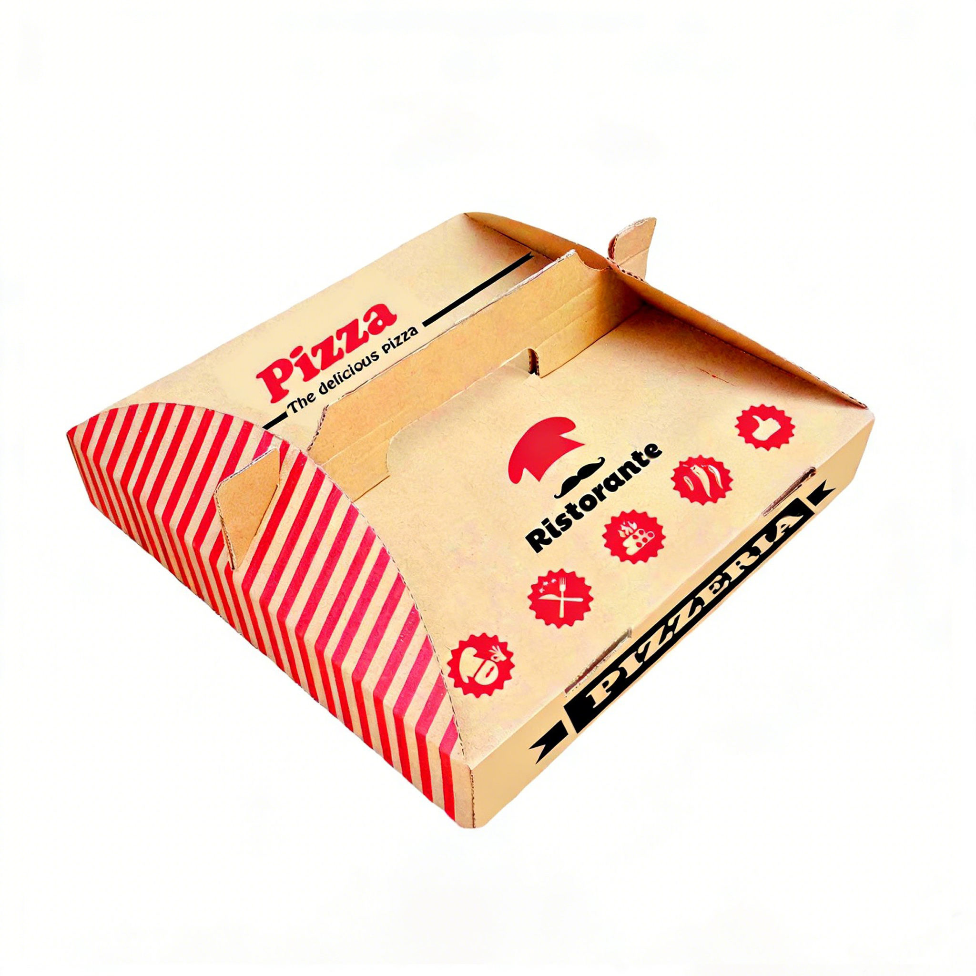
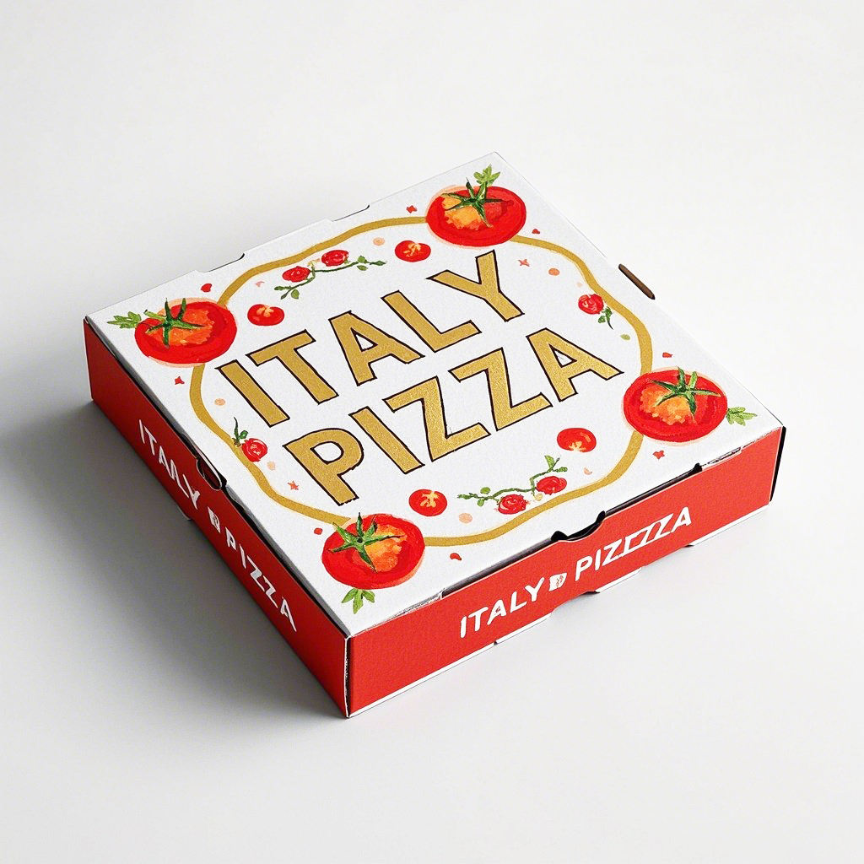
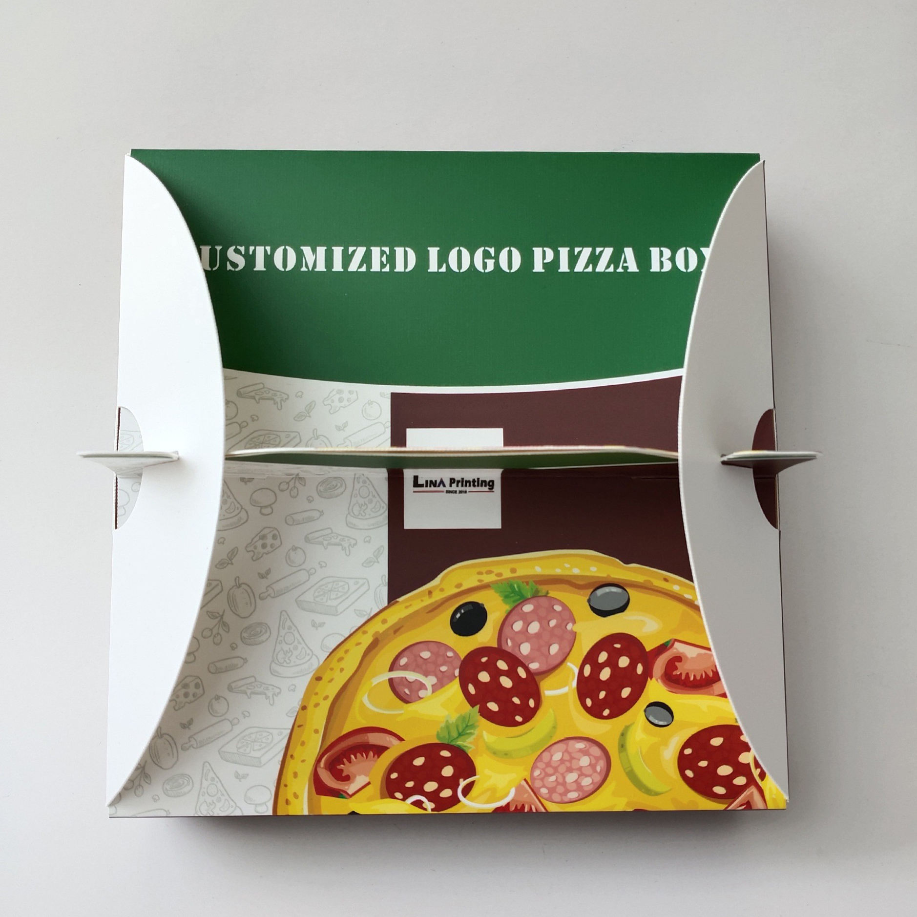
Our Eco-Friendly Food Grade Pizza Packaging Box is designed for pizzerias, restaurants, takeaway brands, food chains and delivery businesses that need practical food packaging combined with custom branding. Pizza boxes are typically produced from suitable paperboard or corrugated paper materials selected according to box size, pizza weight and transportation requirements. The folding structure allows the boxes to be supplied flat, helping reduce storage space before use, while integrated lockin
Specifications
- Material
- Food-contact-suitable paperboard or corrugated paper depending on application
- Structure
- Folding pizza box / die-cut takeaway box
- Ventilation
- Die-cut ventilation holes where required
- Size
- Customized according to pizza diameter and height
Eco-Friendly Food Grade Pizza Packaging Box
Our Eco-Friendly Food Grade Pizza Packaging Box is designed for pizzerias, restaurants, takeaway brands, food chains and delivery businesses that need practical food packaging combined with custom branding.
Pizza boxes are typically produced from suitable paperboard or corrugated paper materials selected according to box size, pizza weight and transportation requirements. The folding structure allows the boxes to be supplied flat, helping reduce storage space before use, while integrated locking tabs and folded side panels provide structural support after assembly.
Size, paper material, printing, graphics, ventilation design and closure structure can all be customized according to your pizzas and brand requirements. Full-surface printed artwork can turn a functional takeaway box into a recognizable brand touchpoint while maintaining the structural performance required for delivery and takeaway applications.
For food-contact projects, the exact paper, inks, coatings and food-contact requirements should be confirmed according to the destination market and intended use before production.
Item | Customization Options |
|---|---|
Material | Food-contact-suitable paperboard or corrugated paper depending on application |
Size | Customized according to pizza diameter and height |
Structure | Folding pizza box / die-cut takeaway box |
Printing | CMYK or Pantone printing |
Logo | Custom printed logo and brand graphics |
Surface | Natural kraft or printed paper surface depending on material |
Ventilation | Die-cut ventilation holes where required |
Closure | Folding tabs / locking structure depending on box design |
Delivery Form | Flat-packed for storage and transportation efficiency |
Artwork | Full custom graphics, colors and restaurant branding |
MOQ | Confirmed according to size, material and printing requirements |
Sample Time | Depends on structure, material and printing |
Production Time | Confirmed according to quantity and specifications |
Choosing the Right Board for Pizza Packaging
The paper material used for pizza packaging needs to balance rigidity, heat, grease exposure, ventilation and cost.
A box that is too lightweight may bend when carrying a large or heavily topped pizza. At the same time, unnecessarily heavy board increases material consumption and transportation cost.
Paperboard vs. Corrugated Construction
Smaller or lighter food items may use suitable folding paperboard structures, while larger pizza boxes often benefit from corrugated construction because the fluted layer provides additional stiffness.
Corrugated material can help the box resist bending during handling and delivery, especially when boxes are stacked.
The appropriate construction should be selected according to:
- Pizza diameter
- Pizza weight
- Number of toppings
- Delivery distance
- Stacking requirements
- Storage conditions
- Required printing appearance
Material specifications should therefore be confirmed based on the actual pizza and distribution method rather than selecting board only by appearance.
Ventilation and Heat Management
Pizza packaging has a different technical requirement from many other food boxes: the product is usually packed while still hot.
If too much steam remains trapped inside the box, condensation can form and affect the texture of the pizza crust. Excessive ventilation, however, can allow heat to escape too quickly.
Small die-cut ventilation openings can therefore be incorporated into the structure when required.
The number and position of ventilation holes should be considered together with the pizza type, delivery duration and box construction. A short-distance takeaway order may have different requirements from a pizza that needs to remain in the box during a longer delivery journey.
Flat-Pack Structure and Storage Efficiency
Pizza boxes are commonly designed as one-piece die-cut folding structures that can be delivered flat.
This is important for restaurants because assembled boxes occupy considerably more storage space.
Flat-packed packaging allows staff to store larger quantities in a relatively compact area and assemble each box when required.
The locking tabs, sidewalls and folding sequence should also be designed for efficient assembly. A structure that is difficult or slow to fold can create unnecessary work during busy restaurant periods.
For high-volume food-service operations, assembly speed is therefore an important purchasing consideration alongside unit price and printing quality.
Food Contact and Grease Resistance
Pizza can expose the packaging to heat, moisture and oil, so material selection needs to consider the actual food-contact conditions.
Depending on the paper construction and pizza type, grease-resistant paper or suitable food-contact solutions may be required.
However, coating selection should not be based only on maximum barrier performance. Additional coatings can affect recyclability, cost and material processing.
For brands prioritizing environmentally responsible packaging, it is important to evaluate whether additional barriers are actually necessary for the intended use.
Luxton can review the intended food application and recommend suitable paper structures, but exact food-contact compliance requirements should be confirmed according to the destination market.
Custom Printing for Pizza Brands
Custom pizza boxes provide a large printable surface for restaurant branding.
Artwork can include:
- Restaurant logo
- Brand colors
- Illustrations
- Menu information
- Social media details
- QR codes
- Promotional campaigns
- Store information
- Product instructions
- Seasonal graphics
CMYK printing is suitable for colorful artwork and illustrations, while Pantone colors can be considered when maintaining a specific brand color is important.
The printing method and ink coverage should be selected according to the paper material and order quantity.
For eco-oriented brands, natural kraft surfaces combined with limited-color printing can create a more understated appearance while reducing the need for heavy graphic coverage.
Ideal Applications
Custom pizza packaging boxes can be used for:
- Pizza restaurants
- Takeaway pizzerias
- Pizza delivery businesses
- Restaurant chains
- Italian restaurants
- Cafés serving pizza
- Food trucks
- Catering businesses
- Frozen or prepared pizza products where suitable
- Bakery and flatbread products
- Promotional food events
- Hotel and hospitality food service
Different dimensions can be developed for individual, small, medium, large and specialty-format pizzas.
Why Choose Luxton Package?
Packaging Development Based on the Actual Food Product
Provide the pizza diameter, height, approximate weight and delivery requirements. Luxton can help evaluate box dimensions, paper structure, ventilation and printing options.
Professional Structural Design Support
Our team can develop or review the die-line to help ensure the box folds efficiently, closes correctly and provides suitable support during takeaway and delivery.
Packaging Engineers + Visual Designers
We consider both packaging performance and branding.
This includes paper construction, folding tabs, ventilation, print coverage, artwork placement and production feasibility rather than simply printing a logo on a standard box.
Sample-to-Production Quality Control
Where appropriate, samples can be used to evaluate dimensions, assembly, structure and printing before bulk production.
Production specifications can then be controlled according to the approved sample and artwork.
Custom Packaging Experience
Luxton Package works with rigid boxes, folding cartons, gift packaging, paper bags and other paper-based packaging, allowing us to support brands that need coordinated packaging across multiple product categories.
Frequently Asked Questions
Can the pizza box size be customized?
Yes. Box length, width and height can be developed according to the pizza diameter, thickness and delivery requirements.
Which material should I choose for a pizza box?
The appropriate material depends on pizza size, weight, stacking requirements and delivery conditions. Corrugated paper is commonly considered when additional rigidity is required.
Can ventilation holes be added?
Yes. Ventilation openings can be incorporated into the die-cut structure where required to help manage steam and condensation.
Can pizza boxes be supplied flat?
Yes. Folding pizza boxes are typically supplied flat to reduce transportation and restaurant storage space and are assembled before use.
Can you print our restaurant logo and full-color artwork?
Yes. Custom logos, brand colors, illustrations and other graphics can be printed according to your artwork and selected paper material.
How do we confirm food-contact suitability?
Please provide the destination country and intended application. The required paper, ink, coating and relevant food-contact documentation should be confirmed according to the project and target market before production.
Custom Packaging Made for Your Brand
Looking for custom pizza boxes for your restaurant, takeaway business or food brand?
Send us your pizza diameter, required box size if available, quantity, logo or artwork, reference images and destination country.
Luxton Package can recommend the appropriate box structure, paper material, ventilation design, printing method and finishing according to your food product and distribution requirements.